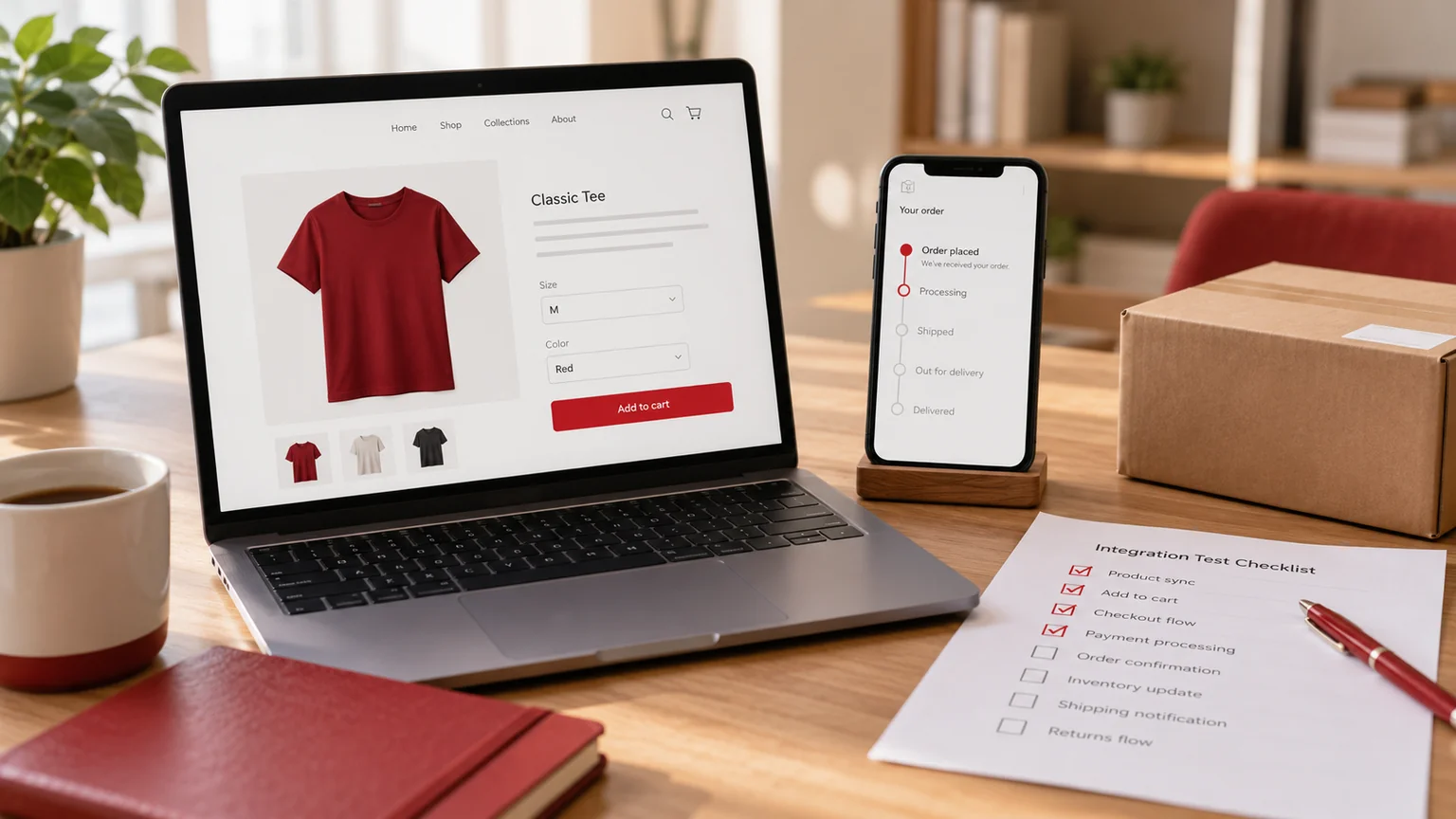
Illustrative workspace. Screens show concepts, not a delivered client system.
A Dubai merchant commissioning a Shopify store should identify the intended payment route before the final launch review. The provider, merchant account and checkout behaviour affect what the customer sees and how the business handles the resulting order. These decisions belong in the development brief alongside the theme and product pages.
I provide Shopify development services remotely from India. This guide helps scope website implementation and testing around the merchant’s approved payment arrangements, with provider eligibility and account decisions owned by the relevant business team.
Check current availability for the actual business
Shopify currently documents Shopify Payments for the United Arab Emirates, including business and personal-information verification requirements. Its availability should be checked against the merchant’s current account and eligible business requirements rather than an old assumption about UAE support.
Record the business location, selected provider and approval status with the responsible account owner. An integration can be technically available while the account is still awaiting the provider’s decision. The development proposal should identify that dependency and what can be reviewed before approval.
Use the provider’s current information for charges, payout arrangements and required documents. The website quote should distinguish implementation work from the merchant’s account application and financial decisions.
Define the customer journey for the selected provider
Shopify’s third-party provider documentation distinguishes direct providers from external providers that complete payment on a hosted checkout outside the store. That affects the customer journey and the return path that needs review.
Confirm where the customer enters payment information, what happens during an additional authentication step and how they return to the store. Decide which currencies and payment methods the merchant intends to offer, then check their supported behaviour through the approved provider setup.
| Journey stage | Question to agree |
|---|---|
| Payment method selection | Which approved choices appear to the customer |
| External or additional step | Where it happens and how the customer returns |
| Unsuccessful attempt | What the customer sees and can do next |
| Order confirmation | Which recorded state justifies the displayed message |
Connect payment state to order handling
The staff workflow should distinguish a placed order, a pending payment and the conditions that permit fulfilment. Define who reviews an exception and which system is authoritative for the payment result. A customer returning to a page is not, by itself, the business’s payment evidence.
List the connected order, stock and fulfilment tools. Record which actions happen automatically and which require review. If a transfer fails, the team needs a way to identify the affected order without creating an extra charge or duplicate operational record.
The developer should assess the actual supported integration and show the merchant the resulting order behaviour. A styled confirmation screen alone does not prove that the operational path is complete.
Keep the theme scope and checkout scope distinct
Product and cart presentation, Shopify checkout configuration and a payment provider’s hosted interface do not necessarily offer the same editing controls. Ask which changes are supported by the merchant’s plan, chosen provider and current implementation. Do not approve a design on the assumption that every screen can be customised identically.
If the store serves Arabic and English customers, identify the language coverage needed for each step and who approves the translations. Check the actual provider journey as well as the theme. A language switcher on the product page does not establish that the entire payment experience has been translated.
Any custom work should have a stated ownership and update responsibility. Preserve the provider’s intended payment-data handling rather than inventing a separate public card-detail form.
Agree authorised tests and a release checklist
Use the provider’s intended test arrangements and approved sample data. Prepare checks for the payment methods and paths in scope, including an unsuccessful or interrupted attempt. Record what the environment can prove and what requires a merchant-controlled production-readiness review.
- Representative products and the intended checkout path.
- Supported successful, pending and unsuccessful states.
- Any external return or additional authentication step.
- Correct order handling and connected-system outcome.
- Mobile presentation and approved language coverage.
Keep test orders clearly identified and agree how the team reviews them. Real charges or account commitments need their own merchant-authorised arrangements; they are not a default consequence of reviewing a website design.
Make dependencies visible in the proposal
A useful scope names the provider setup, theme changes, checkout configuration, connected-system work and acceptance checks. Also identify the account owner, approval status and the person responsible for ongoing operation. Costs and availability can change, so account details should be reconfirmed before release.
Can a developer guarantee merchant approval? The provider controls its eligibility and account decisions. The website project can identify and implement the supported route after those decisions are available.
Do we need a custom payment app? Assess the requirement against the supported provider and platform options first. Custom functionality needs a specific justified gap.
Will checkout work alone guarantee more sales? A usable checkout supports the buying journey. Traffic, product demand and commercial performance still need their own evidence.
Send a Shopify payment and checkout brief
Share the store or design reference, intended provider, account status and required payment methods. Include order-handling tools, languages and the people who approve the operating rules. Describe access requirements without sending credentials or bank records through the public form.
I can review that information and propose scoped Shopify development or an integration assessment for your Dubai business. Discuss your payment and checkout requirements to agree the implementation, dependencies and review checks before launch.