Bus Booking Website Development Cost in India: Own Fleet or Supplier API?
Compare an own-fleet booking engine, supplier API portal and charter website. Learn what changes bus booking development costs and prepare your project brief.

In this article
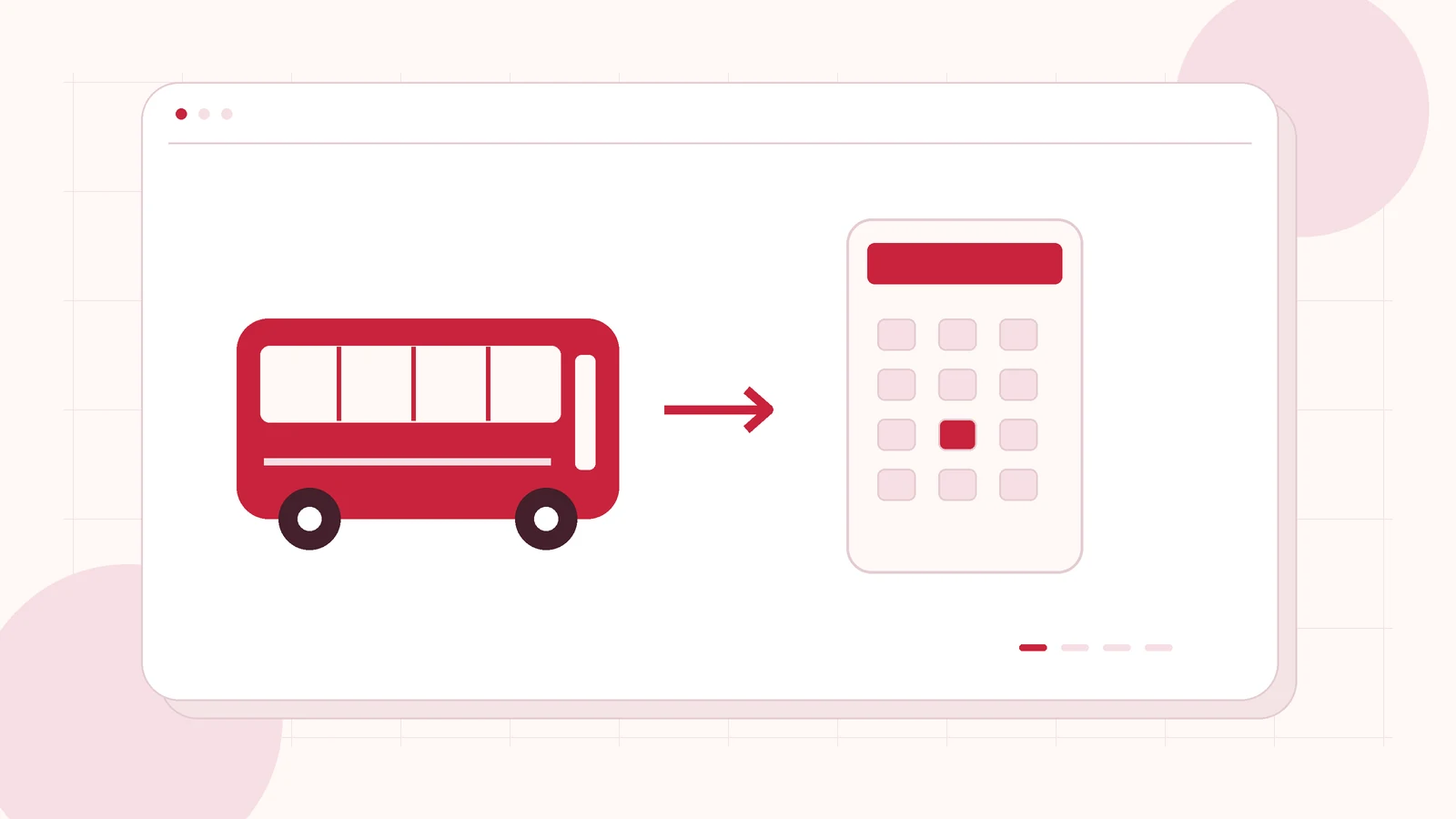
Original editorial illustration of the topic; not a client screenshot or finished-product demonstration.
The first cost question for a bus booking website is where the available seats come from. An operator selling its own fleet, an agency connecting to an authorised supplier and a charter business collecting trip requests need different systems. A single “bus portal price” rarely explains those differences.
Before asking for a development quote, choose the business model and identify the operation behind the passenger journey. This guide explains the decisions that affect scope and ongoing costs. I provide bus booking website and booking engine development in India, with the architecture and first-release requirements agreed after reviewing the business.
Choose between three workable starting points
| Business model | First scope to assess |
|---|---|
| Own-fleet operator | A branded website connected to an existing reservation system, or an agreed custom inventory backend. |
| Travel agency | A passenger booking interface around an approved supplier API and its supported operations. |
| Charter or corporate transport | A quotation-led website collecting trip requirements and routing them to the sales team. |
Start with the model that matches how you sell today. A charter company may gain more from a complete trip-enquiry journey than an unnecessary seat map. An operator already using reservation software should first assess a supported connection. An agency needs commercial and technical supplier access before treating inventory integration as ready to build.
Understand who owns the seat inventory
For your own fleet, identify who creates trips, changes schedules, sets fares and handles counter bookings. If staff and online passengers sell from the same seats, the inventory rules must cover both channels. Include how seats are held, released and reconciled after an interruption. These are operational requirements that influence the backend and testing work.
For an API portal, ask the supplier for current documentation, sandbox access, commercial terms and the permitted inventory. The developer can assess supported searches, seat layouts and reservation actions only against that access. Purchasing website development does not provide rights to another company’s bus inventory. Supplier onboarding and fees belong in the project plan as separate dependencies.
Price the complete passenger journey
A booking brief should cover route search, travel date, trip selection, boarding and dropping points, available seats, fare review, passenger details and the confirmation journey. Explain the layouts and languages you need, along with the support details shown when a passenger cannot complete a booking.
The IRCTC Bus passenger FAQ is one public example of a search-to-booking flow and operator-dependent rules. It is not an API entitlement or a universal specification for your business. Define your actual supplier capabilities and policies in the brief. Ask the developer to identify which proposed screens depend on an external response and which content your team maintains directly.
Separate payment success from reservation confirmation
A passenger should not receive a confirmed ticket solely because a payment screen displayed success. Your implementation needs to track the reservation outcome and the payment outcome, then provide a clear next step when they differ. Ask how pending bookings are reconciled and who handles a passenger who has paid but has no confirmed reservation.
Razorpay’s integration guidance includes server-side payment steps and verification. For your booking project, the acceptance plan should cover the integration with the reservation system as well. Include interrupted checkout, an expired seat hold and an uncertain response in the review. Record the recovery and refund responsibilities with the operator or supplier before launch.
Separate development costs from running costs
Request an itemised proposal for discovery, passenger interface, backend or supplier connection, payment integration, testing, launch and handover. Specify whether your marketing pages will be editable and who supplies route descriptions, policies and translations. The number of routes alone is not a complete measure of implementation complexity.
Keep hosting, gateway charges, supplier access, notification providers and ongoing support visible as separate items. A mobile app, additional supplier connection or new operating model can be a later phase. This service does not advertise a fixed development price before reviewing those requirements. A written scope makes it possible to agree a suitable release and compare genuine like-for-like quotations.
Make the release checklist part of the purchase
Ask for a representative mobile review and a controlled test plan covering a successful booking, unavailable inventory, payment uncertainty, cancellations where supported and staff reconciliation. Confirm which environments and provider accounts are used. Financial test actions and notifications need an agreed owner and permission; do not treat an unapproved live transaction as routine QA.
Handover should cover account ownership, editable content, support contacts, known integration limits and operational procedures. If your team needs corporate enquiry and quotation follow-up as well as passenger booking, assess a separate bus CRM workflow. Keep the responsibilities of the two systems clear even when they share selected information.
Send a brief that starts with the business
Include your business model, public website, fleet or supplier arrangement, routes or service area, languages and existing software. State whether the first release needs live seat sales or a charter-enquiry flow. Add the payment, notification and launch requirements your team already knows.
I can review the outline and discuss a scoped bus booking website or engine for your operation. The proposal will identify the integration assumptions, deliverables and third-party responsibilities. Share public information first; supplier credentials and passenger records can stay out of the initial enquiry.
Related planning: Bus CRM for Operators: Connecting Corporate Enquiries, Quotations and Follow-Ups · WordPress Landing Page Development for Google Ads: What to Commission Before Spending More · Custom WordPress Plugin Development: When Your Business Needs More Than Existing Plugins.
Official references, reviewed 24 October 2026: IRCTC Bus passenger FAQ · Razorpay Standard Checkout integration.
Written by
Jagjeet Singh
Full stack development, WordPress engineering and practical web products. I work with businesses, teams and agencies in India and worldwide.
Explore my work