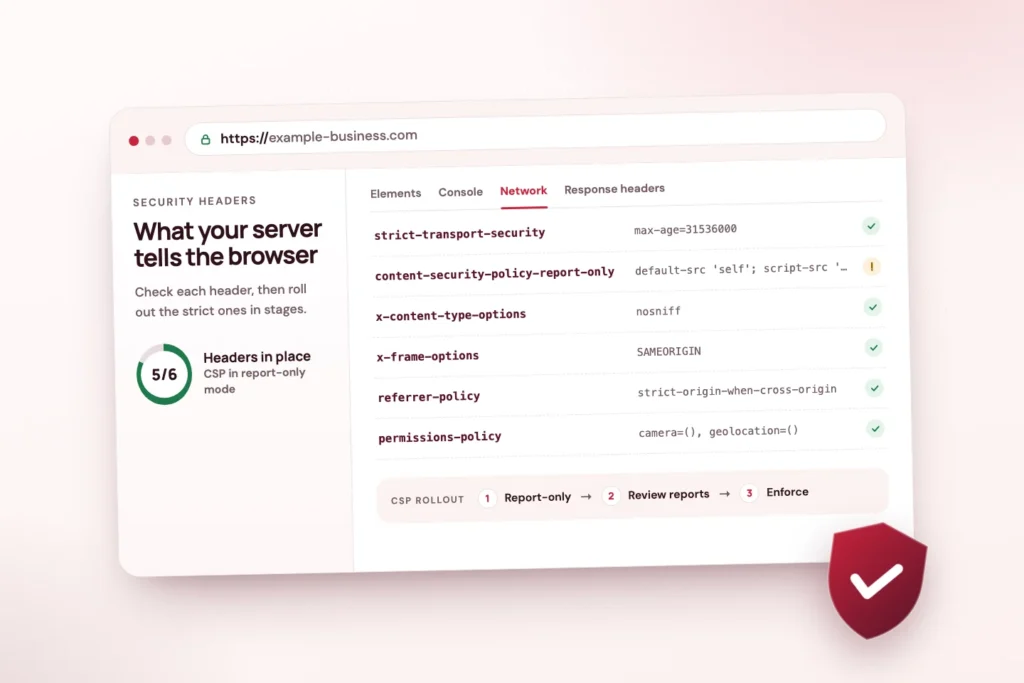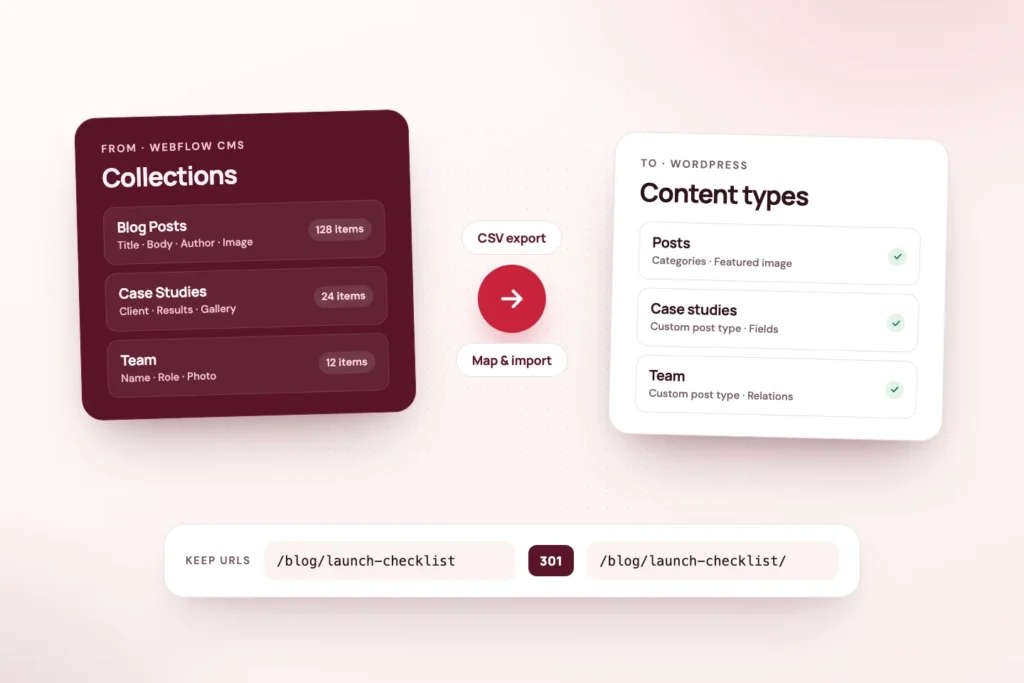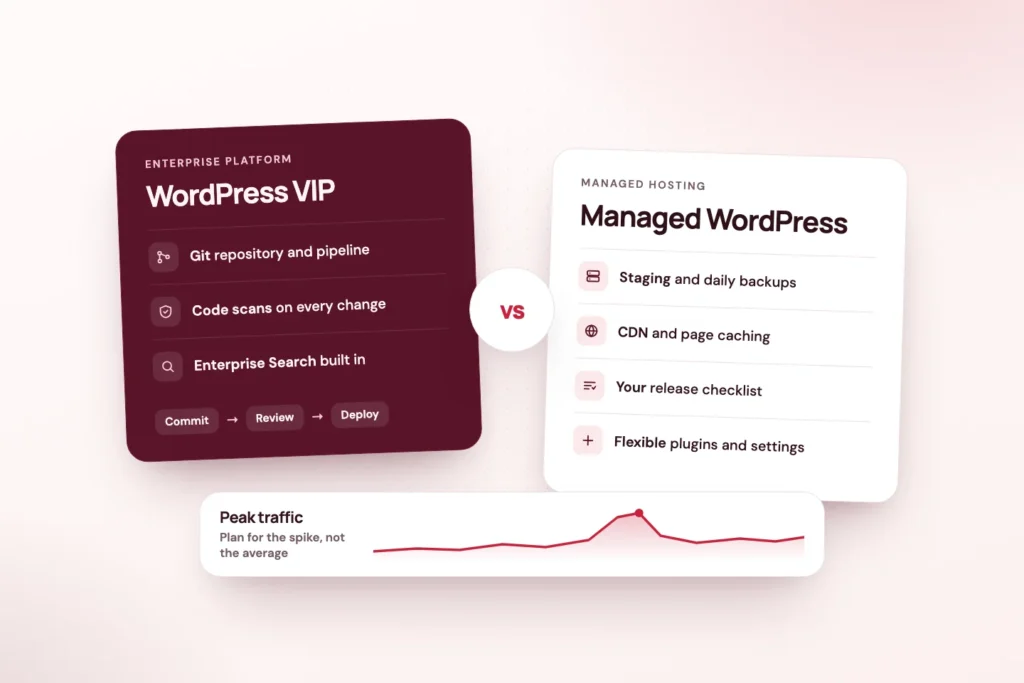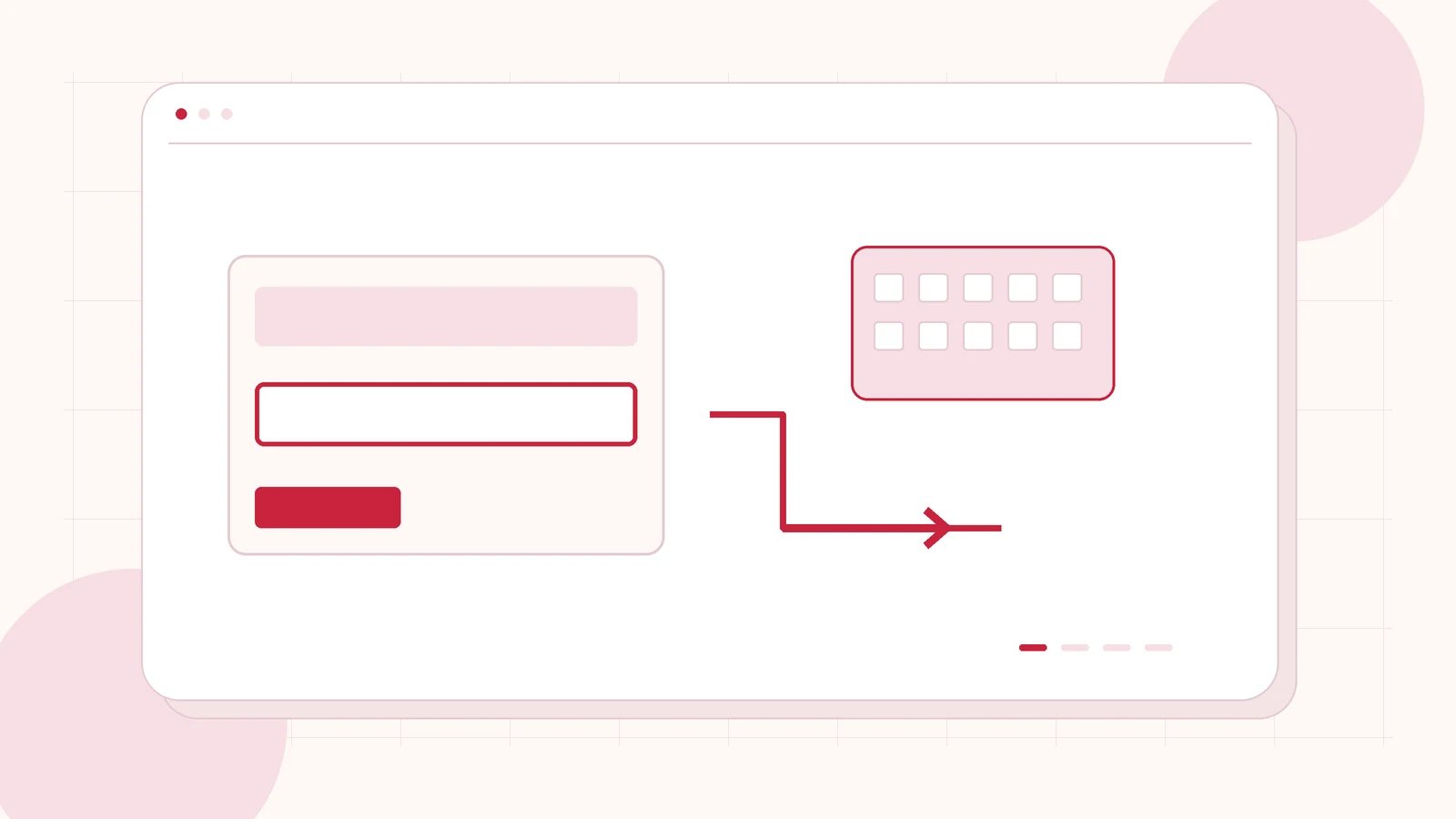
Illustrative development workspace or concept artwork; not a photograph of a client office or evidence of a completed project.
A new website can look finished while its enquiry journey is still unreliable. A form may fail when tracking is refused, save a submission without notifying the right person, or show an error that a keyboard user cannot find. These problems belong in the development brief, not only in the marketing report after launch.
For Dutch agencies buying white-label WordPress development, I recommend treating forms, consent controls and enquiry routing as one acceptance journey. I work remotely from India; your agency retains its client relationship and approves the business and privacy requirements.
Describe what happens after someone presses submit
Start with the commercial destination. Does a request go to a sales inbox, a CRM pipeline, a named account manager or an appointment system? Decide what record should exist, which team should act and what the visitor should see. A form with five fields can still involve several separate services and failure points.
Map each service page to the correct enquiry type. A maintenance request should not disappear into the same unlabelled inbox as an urgent recovery request. Keep the source page or selected service with the record where appropriate, while avoiding unnecessary personal information in URLs or analytics events.
Create a consent-state test matrix
Ask the agency to approve which scripts are essential, which depend on consent and how a visitor changes a previous choice. Then test a new visit, refusal, acceptance and a later withdrawal. The form’s core functionality should follow that approved design rather than silently depending on an advertising tag.
The Dutch regulator’s cookie guidance distinguishes functional cookies, limited-impact analytics and other cookies; consent requirements are not identical for every category. Have the responsible adviser approve classification. The developer’s task is to implement and demonstrate the chosen behaviour, including third-party embeds and scripts.
Use required fields that help the sales team
Collect information that the receiving team will actually use: the visitor’s name, reply address, relevant contact details and a clear enquiry. If a mobile number is required, explain the expected international format and do not silently force every visitor into a Dutch-only number length. Labels should remain visible after typing.
Avoid requesting a full business dossier before a conversation. A short project type or budget-range field can qualify an enquiry without an intimidating questionnaire. If a field changes according to the selected service, check that hidden fields do not remain incorrectly required. Agree both the visitor experience and the information the sales team needs.
Specify useful errors and confirmations
The W3C forms tutorial covers labels, instructions, validation and user notifications. Use those as design inputs: a red border alone does not tell someone what to fix, and a placeholder is a poor substitute for a persistent label.
Ask for a focused review using keyboard navigation and a narrow mobile screen. Where an input is invalid, preserve the other entered values and describe the correction. A confirmation should state what happened and what the visitor can do next. Do not claim an email was delivered merely because the browser displayed a thank-you page.
Handle partial failure deliberately
Submission storage, an email notification and a CRM request can succeed or fail independently. The brief should say how the site records a valid enquiry, what happens when an integration times out and how the agency learns about the failure. Repeated button clicks should not casually create several identical sales tasks.
For a quoted integration, ask how duplicate handling, retries and administrative visibility will work. Those are implementation decisions to scope, not features to assume every form plugin includes. Keep notification recipients and service credentials in the appropriate settings, and define who reviews failures after handover.
Agree safe test data and delivery evidence
Use an expressly authorised test address and a clearly labelled fictional enquiry. Someone from the agency should confirm the saved record, receiving inbox or CRM item and the visible confirmation. Test the most important consent states as well as the normal happy path. Keep screenshots free of real visitor information when sharing a handover report.
A useful evidence table records the page, selected service, consent state, expected destination and result. It can also note that a mail provider accepted a message without claiming the recipient read it. These distinctions make later troubleshooting faster and prevent a screenshot from overstating what was verified.
Make editing safe for the agency team
Decide which text and form options the agency can change after launch and which changes need a developer review. Renaming a visible label is different from changing a field identifier used by a CRM integration. Document that boundary so a routine content update does not break the receiving workflow.
For Elementor builds, keep the agreed content and form controls accessible in the editor and explain shared templates. The handover should identify the notification settings, integration owner and any scheduled renewal or authentication task. Give your team a short checklist for testing the journey after later plugin or consent-tool updates.
Commission the enquiry journey with the website
Send the current website or design, a list of enquiry types, the receiving systems, required fields and your agency-approved consent decisions. Include the form plugin or CRM already in use, account ownership and the person who can authorise a test. That information produces a more accurate quote than asking for a contact form without a destination.
My white-label WordPress service for agencies can include a scoped enquiry integration and handover checklist. Start with one representative journey, establish what has been proved, and then decide which other client websites should use the same tested approach.