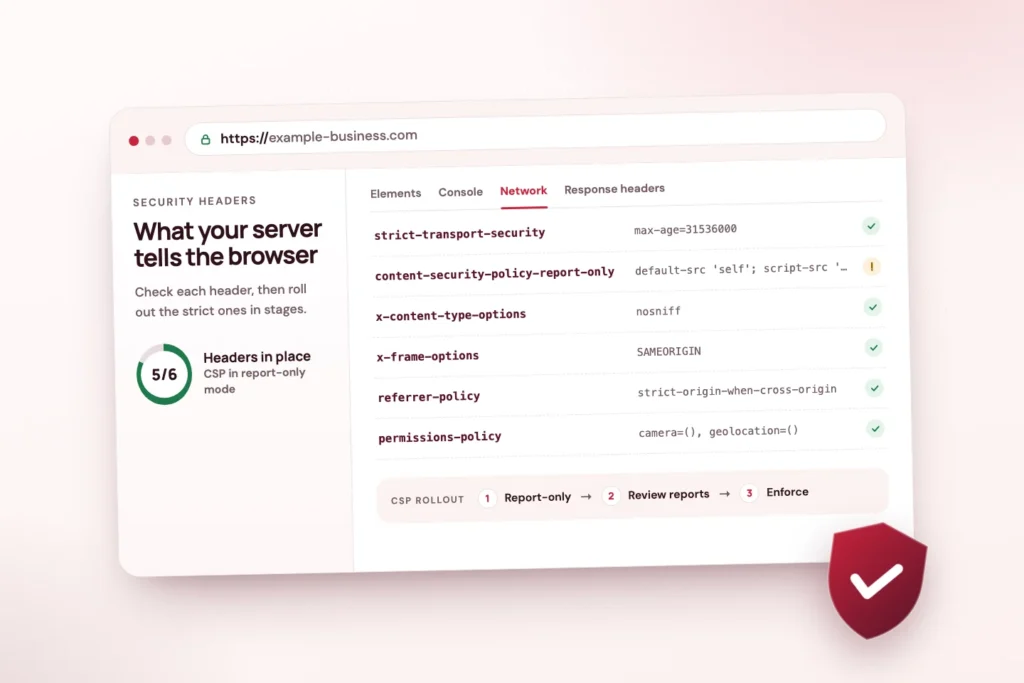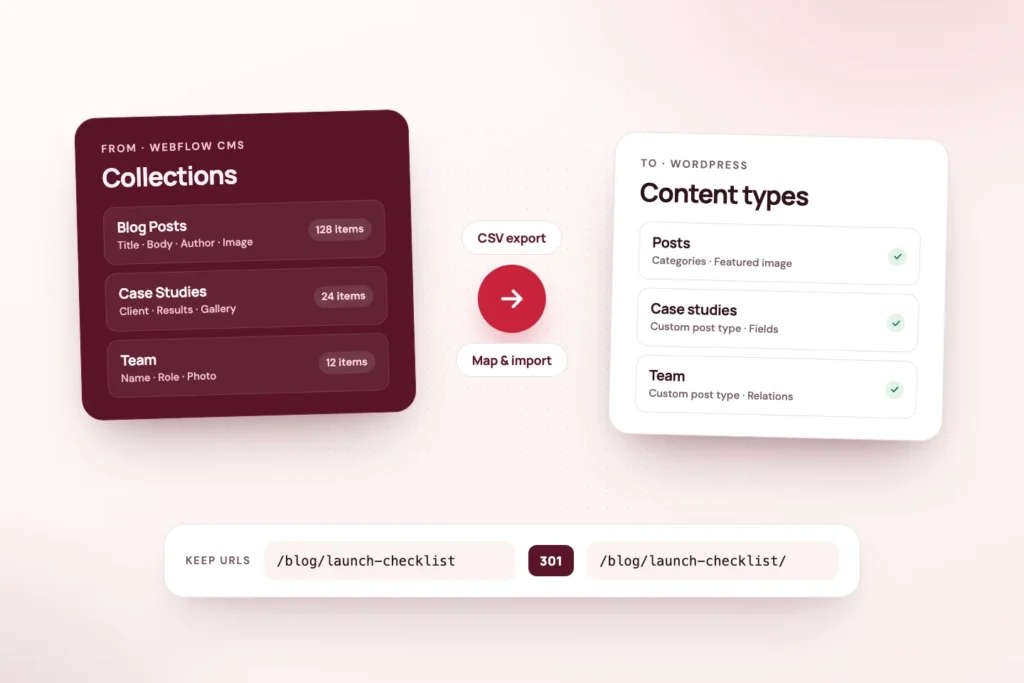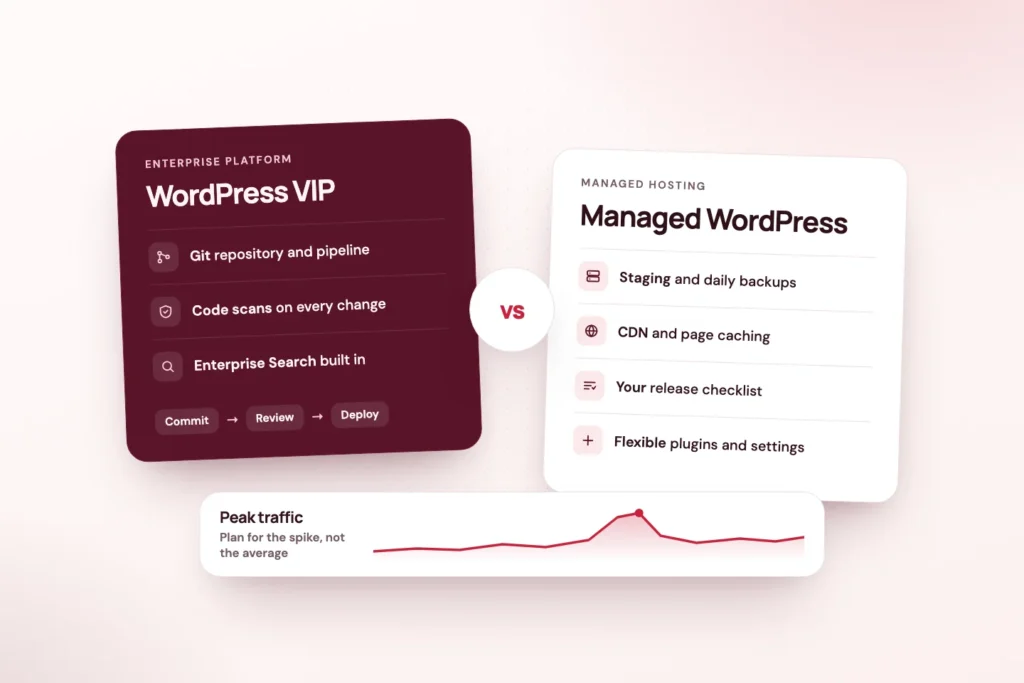
Illustrative development workspace or concept artwork; not a photograph of a client office or evidence of a completed project.
“Accessible website” is too broad to function as a fixed-price deliverable on its own. A Swedish agency needs to know which pages and journeys are included, who approves content, which standard is being assessed and what evidence the developer will supply. A scanner score alone cannot settle those questions.
I provide white-label WordPress development remotely from India. For projects with accessibility requirements, I recommend agreeing the review scope before design sign-off, so the agency can compare proposals and commission the right level of assessment.
Establish the applicable requirement first
Sweden’s DIGG guidance on digital accessibility describes different regimes and supervision for public digital services and certain consumer products and services. A public-sector information site and a private commercial project should not automatically be given the same legal conclusion.
Have the client or its adviser identify the relevant requirement, exclusions and documentation. Translate that decision into a written technical acceptance target. The development quote can then state the pages, components and checks included. This guide concerns commissioning and delivery; it is not an assertion that every Swedish website has identical statutory obligations.
Choose journeys before choosing test tools
List the actions a visitor must be able to complete: find a service, open navigation, read information, download a document and send an enquiry. Include interactive states such as a mobile menu, a validation error or an expanded accordion. A homepage-only check can miss the page on which the visitor actually needs assistance.
Group repeated templates so the review is manageable, but retain examples with unusual content or integrations. A third-party booking interface or embedded map may require its own owner and review. Agree what happens when that provider cannot resolve an issue within the website project’s launch window.
Review designs before they become code
Check text contrast, visible focus, link treatment, heading order and space for enlarged text while the design is still inexpensive to change. Specify meaningful names for icon-only controls and ensure information does not depend entirely on colour. Small visual decisions can otherwise become repeated problems across dozens of pages.
Ask how motion pauses, how overlays close and where focus goes when a dialog opens. The developer should be able to show the intended behaviour on both desktop and touch layouts. Record design decisions in the component brief so the eventual accessibility review is not forced to resolve contradictory expectations.
Keep a keyboard and zoom review in scope
The W3C’s Easy Checks for web accessibility provides a useful initial review, while explicitly explaining that quick checks are not a comprehensive assessment. Treat it as a starting point rather than a certificate of conformance.
For the agreed journeys, check that controls can be reached, used and left with a keyboard; focus stays visible; and reading order remains understandable. Inspect enlarged text and narrow layouts for clipped labels or hidden actions. Log the page, interaction, expected result and observed problem. Where screen-reader testing or an independent audit is needed, quote that scope explicitly.
Assign responsibility for images and documents
A developer can create the right editing controls, but the client’s later content choices still matter. Decide who supplies alternative text, captions, transcripts and accessible downloads. Decorative images may need different treatment from a diagram that carries essential instructions. A generic rule that every image must have a long description is not a useful content policy.
If the site includes PDFs, identify whether the quote covers the surrounding download page, the documents themselves or both. Provide an inventory and representative files before estimating. An accessible page linking to an inaccessible essential document can leave the visitor’s task unfinished.
Define a finding and retest process
A review should produce actionable issues rather than a screenshot of a score. Include reproduction steps, affected components, severity and a proposed owner. Separate repeatable template issues from isolated content problems so a single fix can be applied consistently and then checked across its uses.
Agree who decides whether a finding blocks launch and how a repair is retested. Keep outstanding issues visible in the handover, including third-party limitations. Three consolidated design revision rounds can be agreed for the project without treating failures against approved acceptance criteria as optional aesthetic requests. Put that distinction in the quotation.
Protect the result during everyday editing
Ask for an editing walkthrough using the actual tools your client will receive. Can an editor publish a meaningful heading structure, describe an image and update a button without replacing it with an unlabelled graphic? Show how reusable elements work and explain which settings affect every page.
On an Elementor project, shared templates and approved containers should make routine updates predictable. Include a short content checklist and identify who owns later regression checks. Accessibility requires ongoing attention when new documents, forms and embedded services are added; the initial delivery should give the agency a practical foundation for that work.
Ask for a proposal with evidence attached
Send the approved designs, template list, key visitor journeys, legal or contractual target and any existing audit. State whether you need implementation against supplied findings, a scoped developer review or an independent assessment. Include the content inventory and the client person who can approve unresolved questions.
Discuss the brief through my white-label WordPress development service. We can agree deliverables, review responsibilities and a realistic acceptance checklist before the build begins. That gives your agency something useful to evaluate instead of relying on an unqualified promise of perfect compliance.