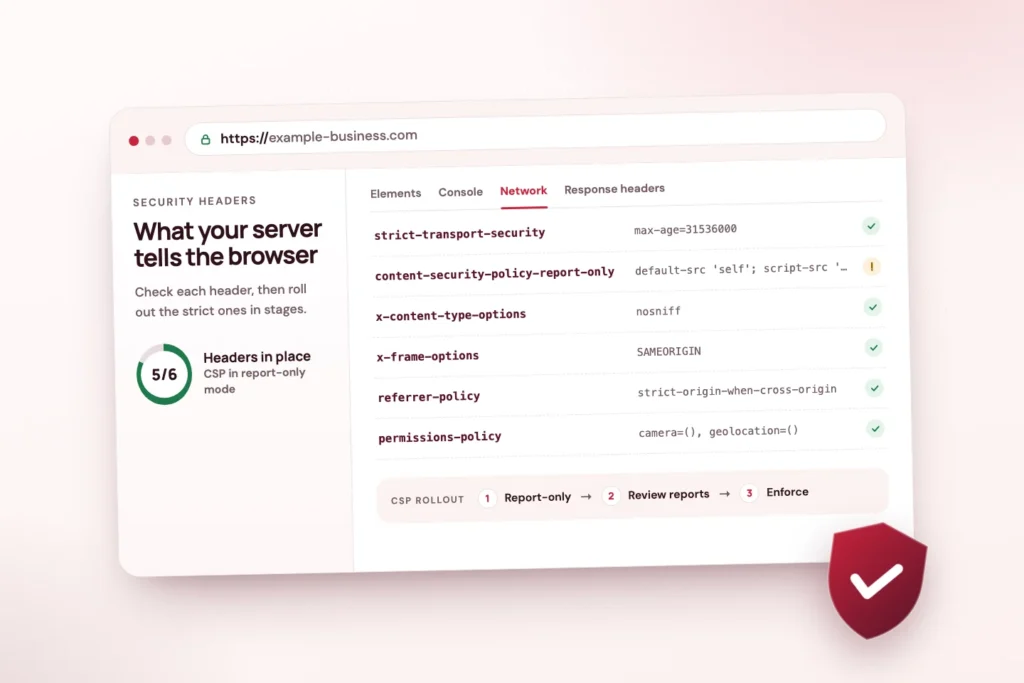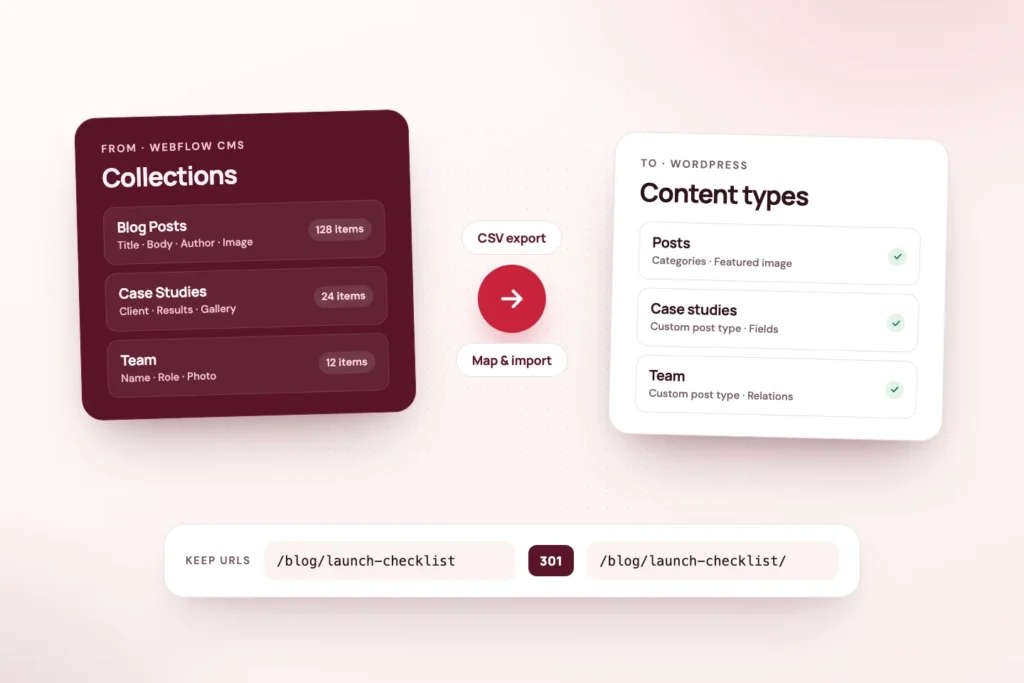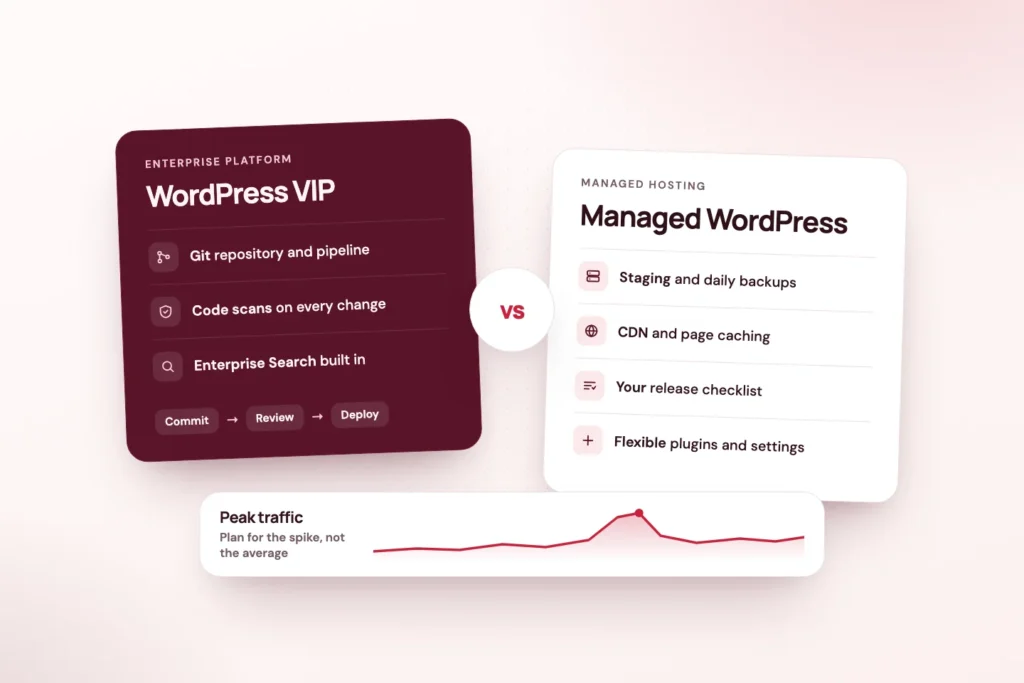
Illustrative development workspace or concept artwork; not a photograph of a client office or evidence of a completed project.
A fixed-price WordPress project becomes difficult to compare when one developer counts pages, another counts templates and neither specifies what happens after the first client review. For a German agency choosing a white-label delivery partner, a small paid pilot should make those differences visible before a larger rollout.
I’m Jagjeet Singh, an independent developer based in India. My white-label WordPress development service supports agency-led projects with an agreed brief and review process. This guide explains what I would ask your team to settle before quoting a pilot; it does not promise a particular project price or delivery date.
Choose a pilot that represents the real work
A three-page brochure site is a useful pilot only if it exercises the components you expect to order again. Include a representative service page, a meaningful contact journey and the shared navigation. If your regular projects have location pages, gated downloads or an existing CRM, include one relevant example rather than postponing every difficult requirement.
Write down what the pilot should establish: design accuracy, sensible editing controls, dependable communication or a repeatable launch checklist. A pilot does not need every feature of the final programme. It needs enough of the actual workflow to reveal where the agency and developer need better instructions.
Price templates, content and integrations separately
Create a page list with a template column. Six pages built from two approved layouts differ from six individually designed layouts. Mark who supplies copy, German translations, photography and legal text, and whether the developer is entering all content or only producing example pages for your team to populate.
List each integration by its actual behaviour: where a form sends information, what confirmation appears and who owns the receiving account. Treat booking systems, multilingual configuration and custom imports as named deliverables. This lets a fixed quote describe the work being purchased instead of relying on an ambiguous page allowance.
Agree revision rounds before the first review
Separate design feedback from faults against the approved brief. A correction to a broken mobile menu should not be confused with a request to replace the approved navigation concept. Likewise, changing the number of languages or adding a new integration is a scope decision, even when it arrives during a review.
For my proposed agency packages, the starting point is three consolidated revision rounds, agreed in the written quote. Further rounds are quoted and approved separately. Nominate one person to combine client feedback, number each round and attach screenshots to specific pages. This gives both teams a visible finish line without preventing necessary defect corrections.
Make performance acceptance reproducible
A request for a good mobile PageSpeed score needs test conditions: which pages, what content, which consent state and which third-party services are active. An empty staging homepage is not a useful substitute for the final page with its approved images, video and forms. Agree representative URLs and retain the test reports used for acceptance.
Google’s Web Vitals guidance distinguishes experience metrics measured with real users from testing tools used during development. A lab score should not be presented as a guaranteed score for every visitor. Include image sizing, layout stability and interaction checks in the brief, with responsibility for later marketing-script additions.
Give privacy and accessibility decisions an owner
Your agency should identify who approves German legal wording, consent categories and the accessibility acceptance target. A developer can implement approved text, script controls and accessible components, but installing a banner is not a complete legal review. Ask what evidence the agency needs and which third-party components are outside the developer’s control.
WordPress explains that its Privacy Settings tool offers a starting point that the site owner must adapt and maintain. Put those approved decisions in the project brief. Reserve time for keyboard testing, meaningful form errors and a content review instead of leaving these until the last launch call.
Keep the agency in control of delivery assets
Use agency-controlled hosting, domains, licences and project accounts wherever practical. Decide who can approve deployment, how credentials are shared and what access the developer should lose after handover. A white-label arrangement also needs a simple rule for client communication: which conversations go through the agency and when the developer joins a call.
I use ClickUp and can work within an agreed task structure. Each ticket should have a URL, an expected result and an owner rather than a loose message saying the site feels unfinished. Share useful delivery notes with the agency so a different maintainer can understand the result.
Review evidence, not just a finished screenshot
The handover should include more than a link to a working homepage. Request the template inventory, plugin and licence list, editing instructions, unresolved dependencies and results for the agreed acceptance checks. If a form is in scope, require an authorised test that proves the receiving system works, rather than treating a success message alone as proof of delivery.
Also agree the support window and the distinction between launch defects, new content and later enhancements. A short screen recording showing how to edit a service page is often more useful than a large generic manual. Keep the agency’s acceptance decision alongside the final delivery version.
Send a brief that can become a useful quote
To discuss a pilot, send your page and template list, approved designs, content status, integration list, target launch window and the person responsible for consolidated feedback. Include the agency’s acceptance checklist and any procurement or data-access requirements that affect delivery. Remove personal customer data from example files unless access has been specifically agreed.
You can review my website portfolio and then request a proposal through white-label WordPress development. I’ll help separate the base build, optional work and unresolved assumptions so your agency can decide whether a paid pilot is the right next step.
A WordPress implementation reference for your review
Review the ZionClouds WordPress build and deployment walkthrough when assessing the implementation contribution you need. The agency delivery process and handover scope for your own project are agreed in the brief, with responsibilities and revision rounds confirmed before the pilot.